
Why Every Dream Car Needs A Care Plan
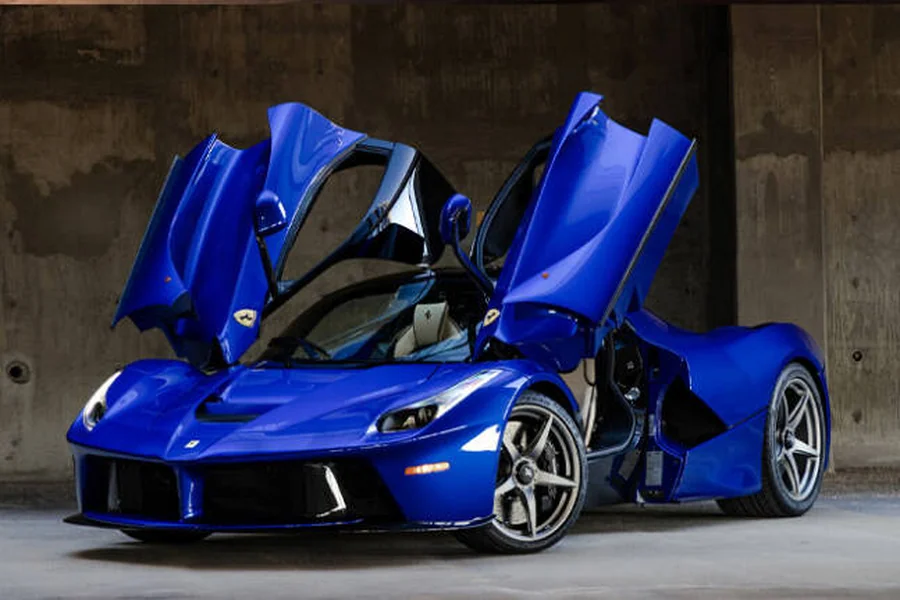
A dream car is never just a car. It might be the vehicle someone imagined owning as a teenager, the classic shape they kept seeing at shows, the weekend project that became an obsession, or the reward for years of work. Whether it has been restored, customized, upgraded, or carefully preserved, a special vehicle carries more than parts and paint. It carries memory, effort, money, taste, and pride. That is exactly why owning one should never stop at the moment the keys land in your hand.
The build is only the beginning
Creating or owning a special vehicle is exciting, but the real value comes from how well it is cared for after the big work is done. A thoughtful plan helps protect the finish, the mechanical upgrades, the interior, and the overall driving experience long after the first reveal. Many owners focus heavily on the build itself, then treat the aftercare as an afterthought, even though storage, maintenance, cleaning, documentation, and transport can all affect the vehicle’s long-term condition. Anyone investing serious time into a custom project should think about the full ownership journey, especially when working with Chimera Motors, because the care plan should match the quality of the work that went into the vehicle.
A care plan does not need to feel complicated. It simply means knowing what the vehicle needs before issues appear. A freshly completed car may need a different routine than a modern daily driver. Paint may need time to cure before aggressive detailing. A modified suspension may need more careful loading. A new engine setup may need inspection after the first few drives. Custom interiors may require different cleaning products than factory materials. These details are easy to overlook when excitement takes over, but they are often what separates a vehicle that stays beautiful from one that slowly loses its edge.
A dream car deserves more than casual maintenance
Regular maintenance is important for every vehicle, but special cars need a more intentional approach. That does not always mean spending more money. It means paying closer attention. A car that has been modified, restored, or preserved may have unique components, older hardware, specialty finishes, or performance upgrades that deserve a tailored routine.
A strong care plan should cover mechanical checks, cosmetic protection, storage conditions, safe driving habits, and proper documentation. Mechanical care keeps the vehicle enjoyable and dependable. Cosmetic care preserves the visual impact that likely made the car desirable in the first place. Storage protects it from moisture, dust, sunlight, pests, and accidental damage. Documentation keeps a clear record of the work performed, which can matter for resale value, insurance, and future servicing.
Moving a special vehicle takes more thought
Transportation is one of the most overlooked parts of dream car ownership, even though it can be one of the riskiest moments. A vehicle can be flawless in the garage and still face unnecessary exposure during a careless move. Road debris, weather, improper loading angles, loose tie-downs, and poor communication can all create problems that are painful to fix.
This matters even more when the vehicle has custom paint, low ground clearance, rare trim, delicate interior materials, or freshly completed work. In those cases, simply getting the car from one place to another is not enough. The goal is to move it without adding stress, damage, or uncertainty. Owners should think about the route, carrier type, loading method, insurance details, and vehicle condition before pickup. For higher-value vehicles, enclosed transport is often the smarter option because it adds a layer of protection during the journey, and services found through https://www.jplogistics.net/ can help owners understand why careful transport matters before the vehicle ever leaves its starting point.
A good transport plan starts with preparation. The vehicle should be photographed from multiple angles before pickup. Any existing marks should be documented. Loose items should be removed or secured. The battery, tires, fluids, and clearance should be checked. If the car has unique starting instructions, air suspension, a kill switch, a fragile front lip, or a special steering setup, those details should be shared clearly before loading. These steps may seem small, but they can prevent major headaches.
Protection starts before the first mile
The first few miles after a build, restoration, purchase, or delivery can reveal a lot. This is when owners often notice how the vehicle feels, sounds, handles, and responds. It is also when small adjustments may be needed. That is why the early ownership period should be treated as part of the care plan, not just a celebration lap.
After receiving a special vehicle, the owner should inspect it carefully in good lighting. Look at the paint, wheels, glass, trim, interior, undercarriage, and any custom components. Listen for unusual noises during the first drive. Pay attention to fluid smells, warning signs, vibration, braking feel, steering response, and temperature behavior. A dream car should be enjoyable, but enjoyment is better when it comes with confidence.
It also helps to build a simple rhythm. For example, the owner might do a short inspection before each drive, a deeper check once a month, and a professional review after a certain number of miles. This is especially useful for vehicles that are not driven every day. Cars can develop issues while sitting, from flat spots on tires to weak batteries, stale fuel, dry seals, or moisture problems. A little consistency goes a long way.
Storage can make or break the experience
Storage is not the most glamorous part of owning a dream car, but it is one of the most important. A vehicle can be beautifully built and carefully transported, then slowly suffer because it is stored in the wrong environment. Heat, humidity, direct sunlight, dust, rodents, and poor ventilation can all cause damage over time.
The best storage setup depends on the vehicle, climate, and how often it is driven. Still, the basic principles are similar. Keep the vehicle clean before storing it. Avoid trapping moisture under covers. Use a breathable cover when needed. Maintain the battery. Keep tires properly inflated. Make sure the space is secure, dry, and clean. If the vehicle will sit for a long period, consider fuel treatment, tire cradles, and periodic startup or movement when appropriate.
Owners should also think about accessibility. If the car is too difficult to take out, it may sit longer than intended. If it is too exposed, it may pick up scratches or accidental damage. Good storage protects the car while still making ownership enjoyable.
The right care plan protects the emotion, too
People often talk about protecting the investment, and that matters, but a dream car is not only about money. It is about the feeling of walking into the garage and seeing it there. It is about the first startup, the weekend drive, the conversations it starts, and the satisfaction of owning something that feels personal. Poor planning can turn that excitement into stress. Strong care keeps the experience fun.
The best care plans are practical, not fussy. They help owners know what to do, when to do it, and who to trust when the vehicle needs attention. They reduce guesswork. They protect the details. They make ownership feel smoother. A dream car should not become a source of constant worry. It should feel ready, respected, and protected.
Keep the dream alive long after delivery
A dream car needs more than a great build, a beautiful finish, or a safe delivery. It needs a plan that supports the entire ownership experience. From maintenance and storage to transport and documentation, every decision affects how the vehicle looks, performs, and feels over time.
The real goal is simple: preserve the excitement. When a vehicle receives the right care, it becomes more than a possession. It remains a source of pride, a conversation starter, and a reminder of why it mattered in the first place. A dream car is worth building carefully, moving carefully, and caring for carefully, because the best vehicles are not just finished once. They are protected every step of the way.