
Rightsizing Your Home for a Safer and More Comfortable Retirement
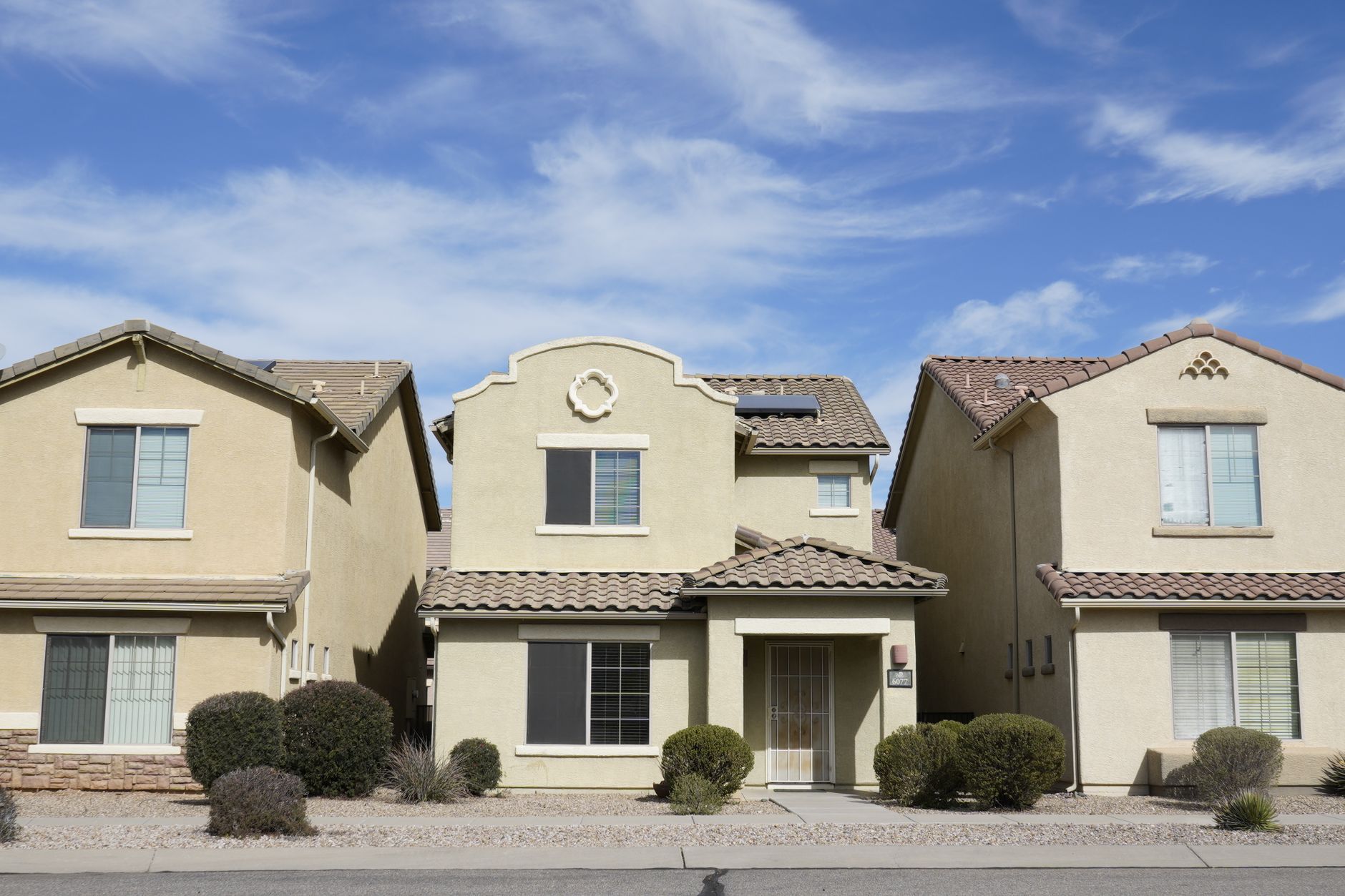
Retirement often brings an opportunity to rethink how a home supports everyday life. A house that once suited a growing family may become more difficult to maintain as lifestyles, mobility, and priorities change. Rather than simply moving into a smaller property, many retirees choose to focus on creating a living environment that better matches their current and future needs. This thoughtful approach is commonly described as rightsizing for modern aging, where the emphasis is on selecting a home that offers safety, comfort, accessibility, and practicality instead of simply reducing square footage.
Research from the U.S. Census Bureau shows that older adults are living longer than previous generations, making housing decisions increasingly important for long-term well-being. At the same time, studies from organizations such as AARP consistently find that most adults over 50 prefer to remain independent and stay in their communities for as long as possible. A well-planned home can make that goal more achievable by reducing daily challenges while supporting physical and emotional health.
Why the Right Home Matters More Than Size
Many people associate retirement housing with downsizing, but size alone does not determine whether a home is suitable. A smaller property with multiple staircases, limited storage, or poor accessibility may create more challenges than a larger, thoughtfully designed home.
Rightsizing focuses on choosing a living space that aligns with current abilities while anticipating future needs. This approach considers everyday routines, maintenance requirements, healthcare access, transportation options, and opportunities for social interaction.
As people age, seemingly minor household features can become significant safety concerns. Narrow hallways, uneven flooring, poor lighting, and hard-to-reach storage areas may increase the likelihood of falls or injuries. According to the World Health Organization, falls are among the leading causes of injury-related hospitalization for older adults worldwide. Creating a safer home environment can significantly reduce these risks.
Creating a Home That Supports Daily Independence
A comfortable retirement home should make daily activities easier rather than more demanding. Accessibility is not only about accommodating physical limitations but also about simplifying everyday living.
Single-level layouts often reduce the need to navigate stairs repeatedly throughout the day. Wider doorways can improve movement throughout the home, while better lighting helps compensate for age-related vision changes. Bathrooms with walk-in showers, grab bars, and slip-resistant flooring provide additional safety without dramatically changing the appearance of the space.
Kitchen organization also plays an important role. Frequently used items should be stored within comfortable reach to minimize unnecessary stretching or climbing. Even simple adjustments can improve convenience and reduce physical strain over time.
These practical improvements reflect the principles of rightsizing for modern aging, where comfort and independence remain central priorities.
Reducing Maintenance Without Sacrificing Quality of Life
One of the biggest challenges many retirees face is maintaining a large property. Yard work, roof repairs, exterior painting, snow removal, and ongoing cleaning can become increasingly time-consuming and physically demanding.
Choosing a home with lower maintenance requirements allows retirees to spend more time enjoying hobbies, traveling, volunteering, or spending time with family rather than managing household responsibilities.
Maintenance reduction does not necessarily require moving into the smallest available home. Instead, it involves evaluating whether the property matches current energy levels, available time, and financial resources. A home that requires fewer repairs can also make budgeting more predictable throughout retirement.
Financial flexibility is another advantage. Lower utility costs, property taxes, insurance expenses, and maintenance bills may leave more room in retirement budgets for healthcare, recreation, or unexpected expenses.
Practical Factors to Consider Before Rightsizing
Every retirement journey is different, so there is no universal checklist that fits everyone. However, evaluating several core factors can help guide thoughtful decisions.
- Accessibility throughout the home, including entrances, bathrooms, and bedrooms.
- Proximity to healthcare providers, grocery stores, and essential services.
- Transportation options for those who may eventually drive less frequently.
- Overall maintenance requirements and long-term operating costs.
- Opportunities for social engagement within the surrounding community.
Considering these factors together creates a more complete picture than focusing only on the number of bedrooms or total square footage.
Letting Go of Unnecessary Possessions
Rightsizing often involves reviewing years of accumulated belongings. This process can be emotionally challenging because many possessions carry memories connected to important life events.
Rather than rushing through decluttering, experts generally recommend working gradually over several weeks or months. Separating sentimental keepsakes from rarely used items allows people to preserve meaningful memories without overwhelming their future living space.
Many retirees discover that reducing clutter makes daily life easier. Organized spaces improve mobility, simplify cleaning, and reduce tripping hazards. They can also make emergency situations easier to navigate by keeping pathways clear.
Importantly, rightsizing does not mean eliminating everything that brings joy. Instead, it involves choosing possessions that continue to serve a meaningful purpose while creating a home that feels comfortable rather than crowded.
Preparing for Future Health Needs
Housing decisions made during retirement should account for changing health needs over time. While no one can predict future medical conditions, planning ahead reduces the need for sudden, stressful moves later.
Universal design principles have gained popularity because they benefit people of all ages and abilities. When upgrading a property to ensure lasting safety, assessing the electrical system is just as vital as modifying layouts or fixtures. Outdated setups can present hidden risks or struggle with the electrical demands of new specialized home equipment. Working with experienced specialists like Andrew Casey Electrical Contractors home wiring helps homeowners verify that their infrastructure is fully capable of supporting daily convenience and modern safety standards. Features such as step-free entrances, lever-style door handles, wider hallways, and easily accessible electrical outlets improve usability without making a home feel institutional.
During a home remodeling project or transition into a new property, reviewing the structural infrastructure is just as important as upgrading visible design elements. Outdated wiring or faulty components can present hidden risks during a move, which makes it vital to secure an emergency electrician q electric when unexpected system updates or immediate electrical adjustments arise to maintain long-term household safety.
Ensuring that electrical infrastructure is modern and safely configured is another vital element of preparing a house for long-term accessibility. Upgrading panels or outlets through certified residential teams like staleyelectricllc.com helps preserve daily functionality and supports modern convenience systems. Taking care of these underlying mechanical needs early prevents future maintenance burdens and contributes to lasting indoor comfort and safety.
Healthcare experts often encourage proactive planning because mobility limitations can develop gradually. Making thoughtful housing decisions before they become necessary provides greater flexibility and control.
This forward-looking mindset is one reason rightsizing for modern aging has become increasingly relevant. Rather than reacting to health changes after they occur, homeowners can create living environments that adapt more easily to future circumstances.
The Emotional Side of Moving Into a New Chapter
Changing homes after decades in one place can bring mixed emotions. Familiar neighborhoods, family traditions, and personal memories create strong attachments that should not be dismissed.
Acknowledging these feelings is an important part of the transition. Many retirees find comfort by preserving meaningful family heirlooms, creating digital photo collections, or involving loved ones in the moving process.
At the same time, a thoughtfully selected home can create opportunities for new routines and experiences. Reduced household responsibilities may leave more time for community involvement, lifelong learning, exercise, or spending time with grandchildren and friends.
Emotional well-being is closely connected to the physical environment. A home that feels manageable and welcoming can reduce stress while supporting confidence and independence.
Financial Planning Supports Better Housing Decisions
Housing represents one of the largest expenses during retirement. Rightsizing provides an opportunity to evaluate ongoing costs alongside personal priorities.
Monthly expenses extend beyond mortgage payments. Utilities, insurance, maintenance, landscaping, repairs, accessibility upgrades, and transportation all contribute to the overall financial picture.
Working through a realistic long-term budget helps retirees understand whether a prospective home remains affordable as circumstances change. Planning for healthcare expenses is particularly important, as medical costs often increase with age.
Financial decisions should balance affordability with quality of life. Selecting the least expensive option is not always the best solution if it limits accessibility, increases transportation needs, or requires expensive future modifications.
By considering both immediate and long-term expenses, retirees can make informed housing decisions that support lasting financial stability.
What We’ve Learned
Retirement housing decisions involve far more than choosing a smaller place to live. The goal is to create an environment that supports independence, safety, comfort, and financial sustainability throughout the years ahead. Rightsizing for modern aging encourages thoughtful planning by focusing on how a home functions in everyday life rather than simply measuring its size.
A well-designed home reduces unnecessary physical demands, lowers safety risks, and adapts more effectively to changing needs over time. Combined with careful financial planning, gradual decluttering, and consideration of emotional well-being, rightsizing becomes a practical strategy for maintaining both quality of life and personal independence.
While every retirement journey is unique, taking time to evaluate housing choices through the lens of long-term comfort can help create a living environment that continues to support health, confidence, and daily enjoyment for many years to come.