
Can Dirty Air Ducts Make a House Dustier?
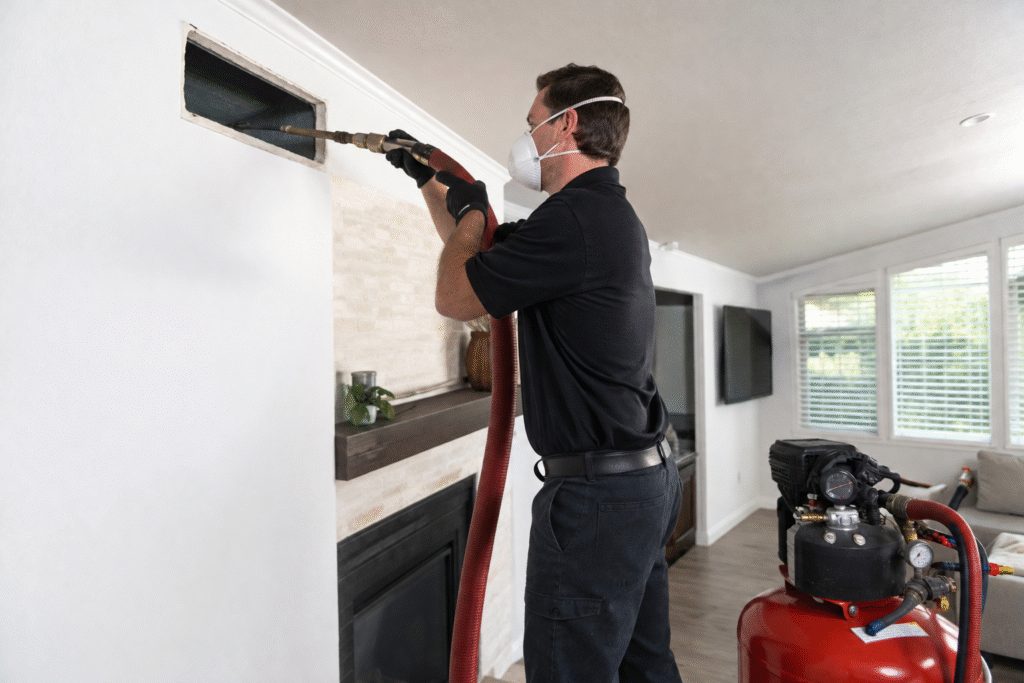
Many homeowners notice an increase in dust around their homes and wonder about the possible causes. One area that often goes overlooked is the air duct system. Air ducts play a crucial role in circulating air throughout the house, and when they become dirty, they can contribute to a dustier environment. Dust, pollen, pet dander, and other particles can accumulate in the ductwork over time, and when the HVAC system is running, these contaminants can be distributed into every room. Understanding the connection between dirty air ducts and household dust can help you maintain a cleaner, healthier living space.
How Dirty Ducts Affect Home Dust Levels
The Role of Air Ducts in Indoor Air Quality
Air ducts are responsible for moving heated or cooled air from your HVAC system into the various rooms of your home. As air travels through the ductwork, it can pick up dust and debris that has settled inside the ducts. Over time, this buildup can become significant, especially if the ducts have not been cleaned in several years. When the HVAC system is in operation, the airflow can dislodge these particles, sending them into the living spaces and increasing the amount of dust that settles on surfaces. This process can be particularly noticeable in homes with pets, smokers, or recent renovations, as these factors contribute additional particles to the air. Regular maintenance of your air ducts can help reduce the amount of dust circulating in your home, leading to a cleaner and more comfortable environment.
Signs That Your Air Ducts May Be Dirty
There are several indicators that your air ducts may be contributing to a dustier home. For further insights, readers can explore meansbase for more detailed information. One common sign is the presence of visible dust or debris around the air vents or registers. If you notice that dust accumulates quickly on furniture and other surfaces even after cleaning, it could be a sign that your ductwork is harboring dust and distributing it throughout the house. Another clue is an increase in allergy symptoms or respiratory issues among household members, as dirty ducts can circulate allergens and irritants. Unpleasant odors coming from the vents may also indicate the presence of mold, mildew, or accumulated debris inside the ducts. In some cases, you might even see small particles being blown out of the vents when the HVAC system is running. Addressing these signs promptly can help improve indoor air quality and reduce the amount of dust in your home.
The Connection Between Dirty Ducts and Dusty Homes
When air ducts are not cleaned regularly, they can become a reservoir for dust, dirt, and other contaminants. As the HVAC system operates, these particles are picked up by the moving air and distributed throughout the house. This can lead to a noticeable increase in dust on floors, furniture, and other surfaces. In addition to dust, dirty ducts can also harbor allergens such as pollen, pet dander, and mold spores, which can exacerbate allergy symptoms and respiratory problems. Homeowners who have recently completed renovations or have pets are especially susceptible to increased dust levels due to the higher volume of particles entering the ductwork. In some cases, professional cleaning or ac repair may be necessary to address the underlying issues and restore a cleaner indoor environment. Keeping your ducts clean is an important step in maintaining a dust-free home and ensuring the health and comfort of your family.
When to Consider Professional Duct Cleaning
Professional duct cleaning is not always necessary, but there are situations where it can make a significant difference in your home’s air quality. If you have never had your ducts cleaned and notice persistent dust, musty odors, or worsening allergy symptoms, it may be time to schedule a cleaning. Homes with pets, smokers, or recent construction work are more likely to benefit from professional duct cleaning due to the increased amount of debris and contaminants that can accumulate in the system. Additionally, if you see visible mold growth inside the ducts or on other components of your HVAC system, professional cleaning is essential to prevent the spread of mold spores throughout your home. A thorough cleaning can remove built-up dust, allergens, and other pollutants, helping to reduce the amount of dust in your living spaces and improve overall indoor air quality. It’s important to choose a reputable service provider to ensure the job is done properly and safely.
Quick Tips for Reducing Dust at Home
Keeping your home less dusty involves more than just cleaning the air ducts. Regularly changing HVAC filters, vacuuming with a HEPA filter, and using doormats at entrances can all help minimize the amount of dust that enters and circulates in your home. Maintaining a consistent cleaning routine and addressing sources of dust, such as pet hair and outdoor debris, can also make a noticeable difference in your home’s cleanliness.
The Importance of Regular HVAC Maintenance
Routine maintenance of your HVAC system is essential for keeping your home’s air clean and reducing dust levels. This includes changing air filters regularly, inspecting ductwork for leaks or damage, and scheduling periodic professional inspections. A well-maintained HVAC system operates more efficiently and is less likely to circulate dust and other contaminants throughout your home. Neglecting maintenance can lead to clogged filters, dirty ducts, and reduced system performance, all of which contribute to a dustier environment. By staying on top of maintenance tasks, you can help ensure that your HVAC system is working effectively to keep your indoor air clean and comfortable. Regular maintenance not only improves air quality but can also extend the lifespan of your HVAC equipment and reduce the need for costly repairs. Investing time and effort into maintaining your system pays off in the form of a cleaner, healthier home.
Conclusion
Dirty air ducts can play a significant role in making a house dustier by distributing accumulated dust and other particles throughout the living spaces. While regular cleaning and maintenance of your HVAC system and ductwork can help reduce dust levels, it’s also important to address other sources of dust in your home. Paying attention to signs of dirty ducts, such as increased dust accumulation, allergy symptoms, and unpleasant odors, can help you determine when professional cleaning may be necessary. By taking proactive steps to maintain your air ducts and HVAC system, you can create a cleaner, healthier environment for you and your family, making your home a more comfortable place to live.