
Why Does a Furnace Pressure Switch Get Stuck Open?
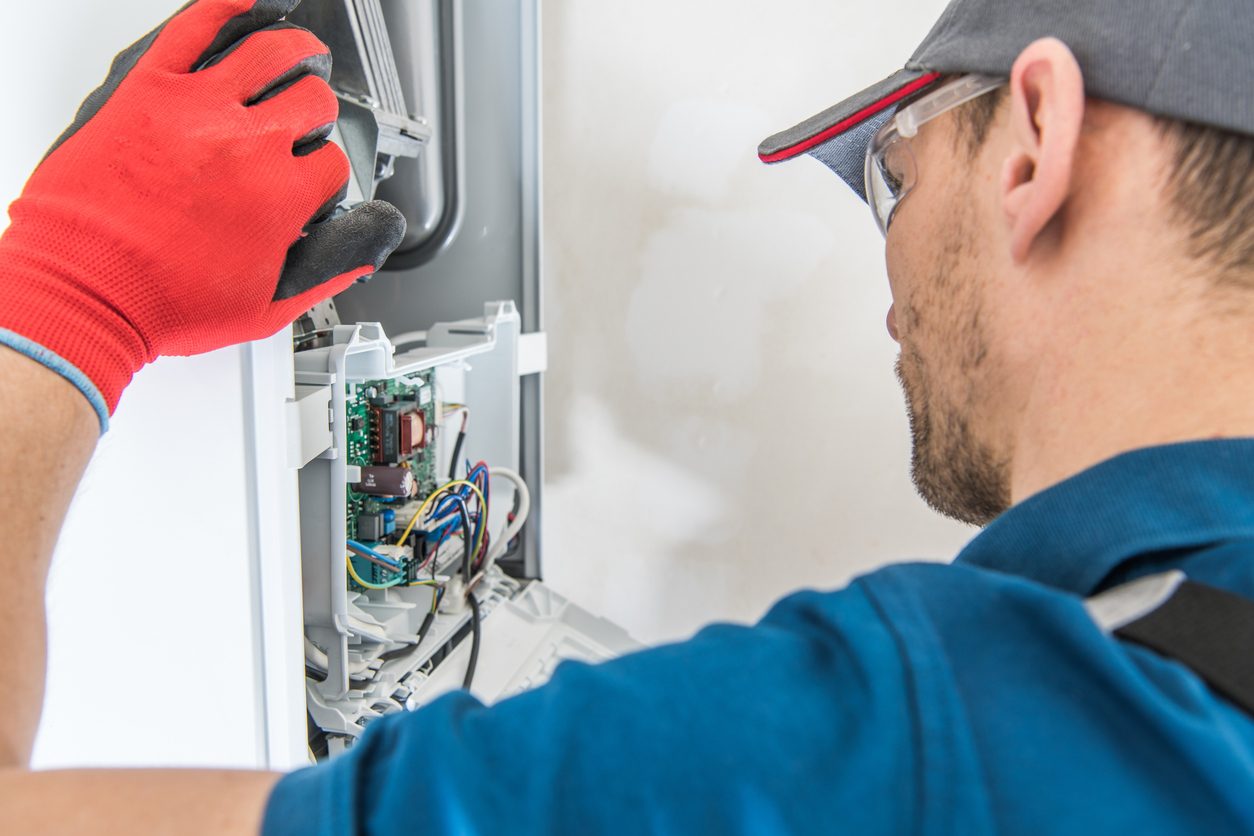
A furnace pressure switch is a crucial safety component that ensures your heating system operates safely and efficiently. When this switch gets stuck open, it can prevent your furnace from running, leaving your home cold and uncomfortable. Understanding why this happens is important for homeowners who want to maintain a reliable heating system and avoid unexpected breakdowns. Several factors can cause a pressure switch to remain open, ranging from airflow issues to mechanical failures. By learning about the common causes and solutions, you can take proactive steps to keep your furnace running smoothly throughout the colder months.
Common causes and solutions
Understanding the Furnace Pressure Switch
The furnace pressure switch is designed to monitor the airflow within your heating system. Its main function is to detect whether the inducer fan is creating enough pressure to safely ignite the burners. When the furnace starts, the inducer fan turns on and creates a vacuum that closes the pressure switch. If the switch does not close, the furnace control board will halt the ignition process to prevent unsafe operation. This safety feature protects your home from potential hazards such as gas leaks or incomplete combustion. The pressure switch is typically a small, round device with two or more wires connected to it and a thin rubber hose that links it to the inducer fan housing. If the switch remains open, it signals a problem with airflow or pressure, which must be addressed before the furnace can operate.
Airflow Problems and Blockages
One of the most frequent reasons a furnace pressure switch gets stuck open is due to airflow problems within the system. Blocked or restricted vent pipes can prevent the inducer fan from creating the necessary pressure to close the switch. This can happen if debris, such as leaves, nests, or ice, accumulates in the vent pipe. Additionally, a dirty or clogged air filter can restrict airflow, causing the furnace to struggle to maintain proper pressure. In some cases, the inducer fan itself may be malfunctioning or obstructed, further reducing airflow. When airflow is compromised, the pressure switch cannot detect the correct pressure differential, resulting in it staying open and preventing the furnace from igniting. Regular maintenance, such as checking and replacing air filters and inspecting vent pipes, can help prevent these issues and ensure your furnace operates efficiently.
The Role of Electrical and Mechanical Failures
Electrical and mechanical failures can also cause a furnace pressure switch to get stuck open. Over time, the switch’s internal components may wear out or become damaged, leading to inconsistent operation. Wiring issues, such as loose connections or corroded terminals, can interrupt the electrical signal needed for the switch to function properly. In some cases, the rubber hose connected to the pressure switch may develop cracks or leaks, preventing it from accurately sensing pressure changes. If the inducer motor is failing or not running at full capacity, it may not generate enough pressure to close the switch. Homeowners may notice that their furnace cycles on and off without producing heat, which is a common symptom of a stuck pressure switch. For persistent issues, it is often necessary to consult a professional for furnace repair to diagnose and resolve the underlying problem.
Environmental Factors Affecting the Pressure Switch
Environmental conditions can have a significant impact on the operation of a furnace pressure switch. High humidity, for example, can cause condensation to form inside the vent pipes or on the switch itself, leading to moisture-related malfunctions. In colder climates, ice can build up in the venting system, blocking airflow and preventing the switch from closing. Dust and debris from construction or remodeling projects can also find their way into the furnace components, clogging the pressure switch or its tubing. Even pests such as insects or rodents can create blockages or damage the wiring. These environmental factors can be unpredictable, but regular inspections and timely maintenance can help identify and address potential problems before they lead to a stuck pressure switch. Homeowners should be aware of their local climate and take steps to protect their furnace from extreme conditions.
Signs Your Pressure Switch Is Stuck Open
When a furnace pressure switch is stuck open, there are several signs that homeowners may notice. The most obvious symptom is that the furnace will not start or will shut down shortly after starting. The thermostat may call for heat, but the furnace remains silent or only the blower runs without producing warm air. Some modern furnaces display error codes or flashing lights on the control board, which can help identify a pressure switch issue. Unusual noises, such as clicking or humming, may also indicate that the switch is not functioning correctly. If these symptoms occur, it is important to address the problem promptly to avoid prolonged discomfort and potential damage to the furnace. Ignoring a stuck pressure switch can lead to more serious issues, including damage to other components or increased energy consumption.
Quick Maintenance Tips
Regular maintenance is key to preventing pressure switch problems. Homeowners should check and replace air filters every one to three months, inspect vent pipes for blockages, and ensure the area around the furnace is clean and free of debris. Scheduling annual professional inspections can also help catch issues early and keep the system running smoothly.Professional technicians can verify pressure differentials, clear subtle vent restrictions, and check for worn electrical connections that standard homeowners might overlook. Working with an established contractor like Western Hills Heating and Air Conditioning, Inc. helps ensure these safety controls operate reliably through winter. Early diagnostic checks also support consistent heating performance while preventing sudden mid-season failures.
Conclusion
A furnace pressure switch that gets stuck open can disrupt your home’s heating and create unnecessary stress during the colder months. Understanding the common causes, such as airflow restrictions, mechanical failures, and environmental factors, can help you identify and address issues before they escalate. Regular maintenance and timely repairs are essential for keeping your furnace in good working order and ensuring your home stays comfortable. If you notice signs of a stuck pressure switch, taking prompt action can prevent further complications and extend the life of your heating system. By staying informed and proactive, you can maintain a safe and reliable furnace throughout the heating season.