
Facing Charges for Transporting Firearms in Washington, DC? What to Know
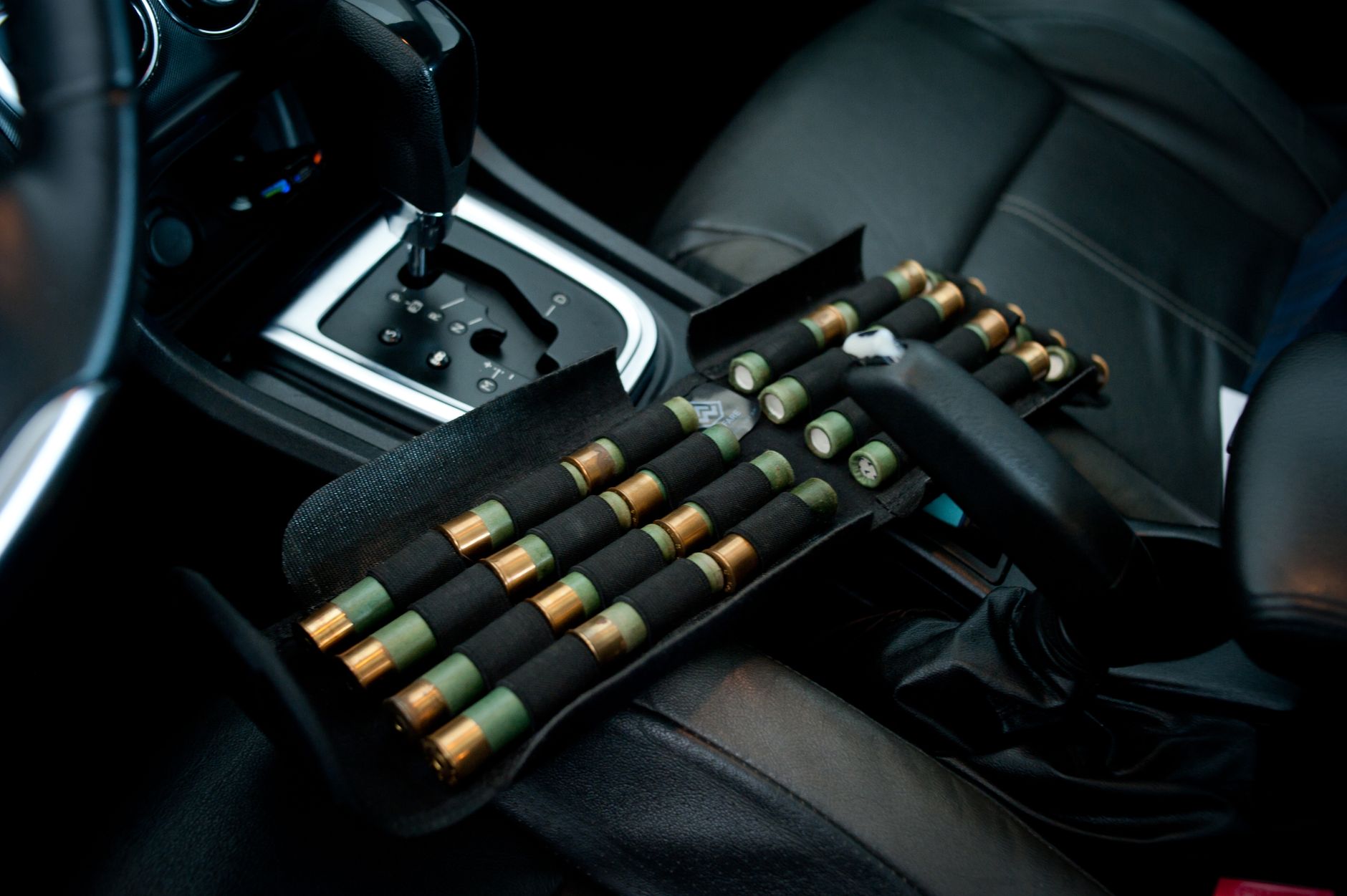
Facing a firearm charge in Washington, DC can be frightening. The rules are strict, and small facts can change a case. You may have thought your gun was stored the right way. You may have been traveling between two legal places. Still, police can raise questions about how you carried it. What happens next matters. DC has its own rules for firearm transport, possession, and carry. Federal law may also apply when a trip crosses state lines. If you’re facing charges, don’t guess about your rights. Learn what the law says and speak with a lawyer who handles firearm cases.
Why Firearm Transport Charges Happen
DC law places limits on how firearms may be transported. A firearm generally must be unloaded during transport. It also must not be readily accessible from the passenger area of a vehicle. If the vehicle has no separate compartment, a locked container may be required. The glove box and center console don’t meet that separate-compartment rule. These details can seem minor. They aren’t. A traffic stop can quickly turn into a gun case when officers find a firearm that isn’t stored as required.
“But I Own the Gun Legally” — Does That Help?
It can help, but it doesn’t answer every legal question. Legal ownership and lawful transport are different issues. DC has firearm registration rules. A person must meet the rules that apply to lawful possession within the District. Then comes the transport question. How was the firearm stored? Was it unloaded? Where was the ammunition? Who could reach the gun? Police may look at all these facts. Think of it like driving. Having a valid license doesn’t mean you can ignore speed limits. The same basic idea applies to firearm laws.
What If the Gun Was Legal in Another State?
This is a common concern for people who travel. You might legally own a firearm in Virginia or Maryland. You may then drive through DC while heading somewhere else. That doesn’t mean DC rules disappear. Federal law provides some protection for interstate firearm travel. Yet that protection has conditions. The way the firearm is stored can matter. The places where you may lawfully possess the firearm can matter too. Don’t assume that crossing state lines makes every transport method lawful. If you’re unsure about your route, talk with a DC Gun Lawyer before traveling.
How Storage Can Affect Your Case
Where police find the gun can become a key part of the case. A firearm under the driver‘s seat may be viewed differently from one secured inside a locked container. Access matters. So does ammunition. A person may say, “The gun wasn’t loaded.” Police may still ask how close it was and whether the firearm was otherwise stored as required. This is why the details matter so much. Your lawyer should look at the whole picture, not one fact in isolation.
Could a Traffic Stop Lead to a Firearm Charge?
Yes. A routine stop may begin with a broken tail light or speeding issue. The situation can change when officers discover a firearm. Police may ask about the gun’s owner and purpose. They may also ask about registration and how the firearm was transported. The search itself may also matter. Was there a valid reason for the search? Did officers have consent? Did they have probable cause or another lawful basis? These questions can affect the evidence used against you.
Restricted Places Matter, Too
Transporting a firearm through DC isn’t only about your car. The place where you stop can matter as well. DC law restricts firearms in certain locations. These rules cover various places and activities listed under District law. That means a lawful trip can become more complicated after you reach your destination. Maybe you’re going to meet someone. Maybe you’re stopping at a public event. Maybe you’re entering a government building. Know the rules before you go. A quick stop may seem harmless, but firearm laws don’t always see it that way.
What Should You Do After an Arrest?
First, take a breath. A firearm arrest is serious, but an arrest isn’t a conviction. Don’t try to explain the entire situation to the police without legal advice. Your words can become evidence later. Ask to speak with a lawyer. Then gather the facts while they’re fresh. Where were you going? Where was the firearm? Was it loaded? Where was the ammunition? Was the gun registered? Why did the police stop you? Those details can help your lawyer assess the case.
How a DC Gun Lawyer Can Help
A firearm case can involve more than one set of laws. DC rules may apply alongside federal firearm laws. Constitutional issues can also arise if police searched your vehicle or seized evidence. An experienced defense lawyer can examine each part of the case. At Capital Criminal & DUI Defense Group, David Benowitz represents clients facing criminal charges in Washington, DC. Mr. Benowitz has a successful track record of fighting for his clients. He is AV-rated by Martindale-Hubbell and belongs to the National College of DUI Defense. The firm focuses on criminal defense and works to provide strong legal representation at affordable prices. If you’re facing a firearm transportation charge, getting legal help early can make the process easier to understand.
Don’t treat gun charge as traffic ticket
A charge of a gun merits your significant consideration. The consequences can include your freedom, bank account and future firearm privileges. This is why it is dangerous to think the cops got it all right. And the assumption that the law functions the same way across state boundaries is likewise a gamble. If you are facing a charge for carrying a handgun in Washington, DC, contact a DC Gun Lawyer immediately. A lawyer can evaluate the facts and tell you what legal choices you may have. This article provides general legal information and is not legal advice. Firearms regulations can change and each case turns on its own facts.
Frequently Asked Questions
1. What is the cost of firearm transportation in Washington, DC?
Improper storage, illegal possession or not following DC shipping standards might lead to problems. A loaded or easily available gun might also be a cause of great concern. The facts of each case are important.
2. Can I be charged if I own the gun legally?
Yes. Just because you are allowed to own something legally does not mean that every way of transporting it is legal. DC has different restrictions regarding possession, registration, carry and travel of firearms.
3. Will my out-of-state firearm permit be valid in DC?
Not necessarily. Guns are subject to DC’s own regulations and restrictions. Some situations can be covered under federal interstate travel rules, but only under certain conditions.
4. Can police check my car after finding a firearm?
The response depends on the facts of the case and the legal grounds for the search. A lawyer can look at whether the police have consent, probable cause or some other acceptable justification. If the search was illegal, that could taint the evidence.
5. What happens once I get charged with transporting a firearm?
Take the charge seriously and consult a DC criminal defense attorney. Avoid discussing precise facts with police before you receive legal help. Your attorney can analyze the stop, search, firearm storage, registration and travel route.