
Why Does Indoor Air Feel Stuffy Even When the HVAC System Is Running?
Many homeowners notice that their indoor air feels stuffy or uncomfortable, even when the HVAC system is running as expected. This sensation can be frustrating, especially during extreme weather when you rely on your heating or cooling system for comfort. Stuffy air can make your living space feel less inviting and may even impact your well-being. Understanding why this happens is important for maintaining a healthy and pleasant indoor environment. There are several factors that contribute to stuffy indoor air, ranging from issues with ventilation to humidity imbalances and HVAC system performance. Addressing these factors can help restore comfort and improve air quality in your home.
What causes stuffy indoor air?
The Role of Ventilation in Indoor Air Quality
Ventilation is a critical factor in determining how fresh or stuffy your indoor air feels. When a home is tightly sealed to improve energy efficiency, it can inadvertently trap air inside, leading to a buildup of carbon dioxide, odors, and other pollutants. Without adequate ventilation, the air inside your home is not regularly exchanged with fresh outdoor air, causing it to feel stale and stuffy. Modern HVAC systems are designed to recirculate air, but if there is no mechanism for bringing in outside air, the system may simply move the same air around without improving its quality. This is especially true in newer homes that are built to be airtight, which can exacerbate the problem. Opening windows periodically or installing a mechanical ventilation system can help alleviate stuffiness by introducing fresh air and expelling stale air, but many homeowners overlook this step, relying solely on their HVAC system to maintain comfort.
Humidity Levels and Their Impact
Humidity plays a significant role in how indoor air feels. When humidity levels are too high, the air can feel heavy, sticky, and uncomfortable, while low humidity can make the air feel dry and irritating. Both extremes can contribute to a sensation of stuffiness. In regions with hot climates, such as Las Vegas, air conditioning systems are often used to cool and dehumidify the air. However, if the system is not properly sized or maintained, it may not effectively remove enough moisture, leaving the air feeling damp and stale. On the other hand, during the winter months, heating systems can dry out the air excessively, leading to discomfort and a perception of stuffiness. Balancing indoor humidity is essential for comfort and health. Using a hygrometer to monitor humidity levels and employing humidifiers or dehumidifiers as needed can help maintain an optimal range, typically between 30% and 50%. If you notice persistent humidity issues, it may be time to consult an Air conditioning repair service in Las Vegas, NV to assess your system’s performance and recommend solutions.
Common HVAC Issues That Cause Stuffy Air
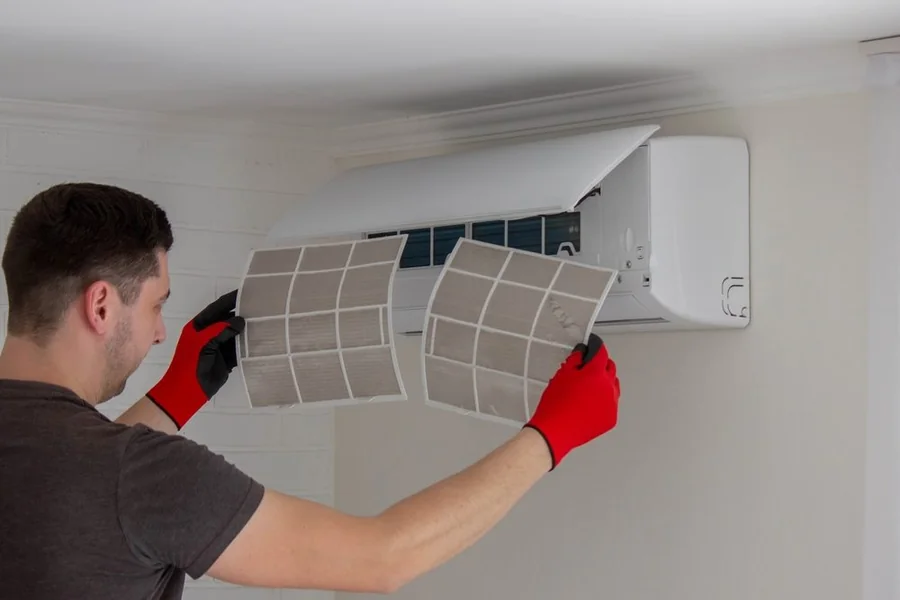
Even when your HVAC system appears to be running smoothly, underlying issues can contribute to stuffy indoor air. One common problem is a clogged or dirty air filter, which restricts airflow and reduces the system’s ability to circulate and clean the air. When filters are not changed regularly, dust, pollen, and other particles accumulate, leading to poor air quality and a feeling of stuffiness. Another potential issue is blocked or closed vents, which can prevent conditioned air from reaching certain areas of your home, resulting in uneven temperatures and stagnant air. Ductwork leaks or obstructions can also compromise airflow, causing some rooms to feel stuffy while others remain comfortable. Additionally, if your HVAC system is not properly sized for your home, it may cycle on and off too frequently or run continuously without effectively conditioning the air. Regular maintenance, including filter changes and duct inspections, is essential for ensuring your system operates efficiently and maintains good indoor air quality.
The Importance of Air Circulation
Proper air circulation is vital for preventing stuffiness and maintaining a comfortable indoor environment. When air is allowed to stagnate, it can lead to the accumulation of odors, moisture, and airborne contaminants. Ceiling fans, exhaust fans, and strategically placed vents can help promote air movement throughout your home. In multi-story houses, temperature differences between floors can cause air to become trapped, making some areas feel stuffy while others are comfortable. Encouraging airflow between rooms and floors can help equalize temperatures and improve overall air quality. Simple actions like keeping interior doors open, using fans, and ensuring that furniture does not block vents can make a noticeable difference. If you have rooms that consistently feel stuffy, it may be worth evaluating your home’s airflow patterns and making adjustments to improve circulation.
How Indoor Pollutants Contribute to Stuffy Air
Indoor air can become polluted with a variety of contaminants, including dust, pet dander, cleaning chemicals, and volatile organic compounds (VOCs) from household products. These pollutants can accumulate over time, especially in homes with inadequate ventilation or poor air filtration. When the concentration of indoor pollutants rises, the air can feel heavy and unpleasant, contributing to a sense of stuffiness. Activities such as cooking, smoking, or burning candles can also introduce additional particles and odors into the air. Regular cleaning, minimizing the use of harsh chemicals, and using air purifiers with HEPA filters can help reduce the presence of indoor pollutants. It is also important to address sources of moisture, such as leaks or condensation, which can promote the growth of mold and mildew—both of which can worsen indoor air quality and contribute to stuffy conditions.
Quick Tips for Immediate Relief
If you are looking for fast ways to reduce stuffiness, try opening windows for a short period to let in fresh air, running exhaust fans in kitchens and bathrooms, and replacing your HVAC air filter. These simple steps can quickly improve air quality and make your home feel more comfortable.
Conclusion
Stuffy indoor air is a common issue that can persist even when your HVAC system is running. Factors such as poor ventilation, improper humidity levels, HVAC maintenance issues, inadequate air circulation, and the buildup of indoor pollutants all play a role in creating an uncomfortable indoor environment. Addressing these factors requires a combination of regular system maintenance, monitoring humidity, improving ventilation, and reducing sources of indoor pollution. By taking proactive steps to identify and resolve the underlying causes of stuffy air, you can create a healthier, more comfortable living space for you and your family. Regular attention to your home’s air quality not only enhances comfort but also supports overall well-being throughout the year.