
Car Accidents in St. Louis, Missouri: What Should Injured Drivers Do Next?
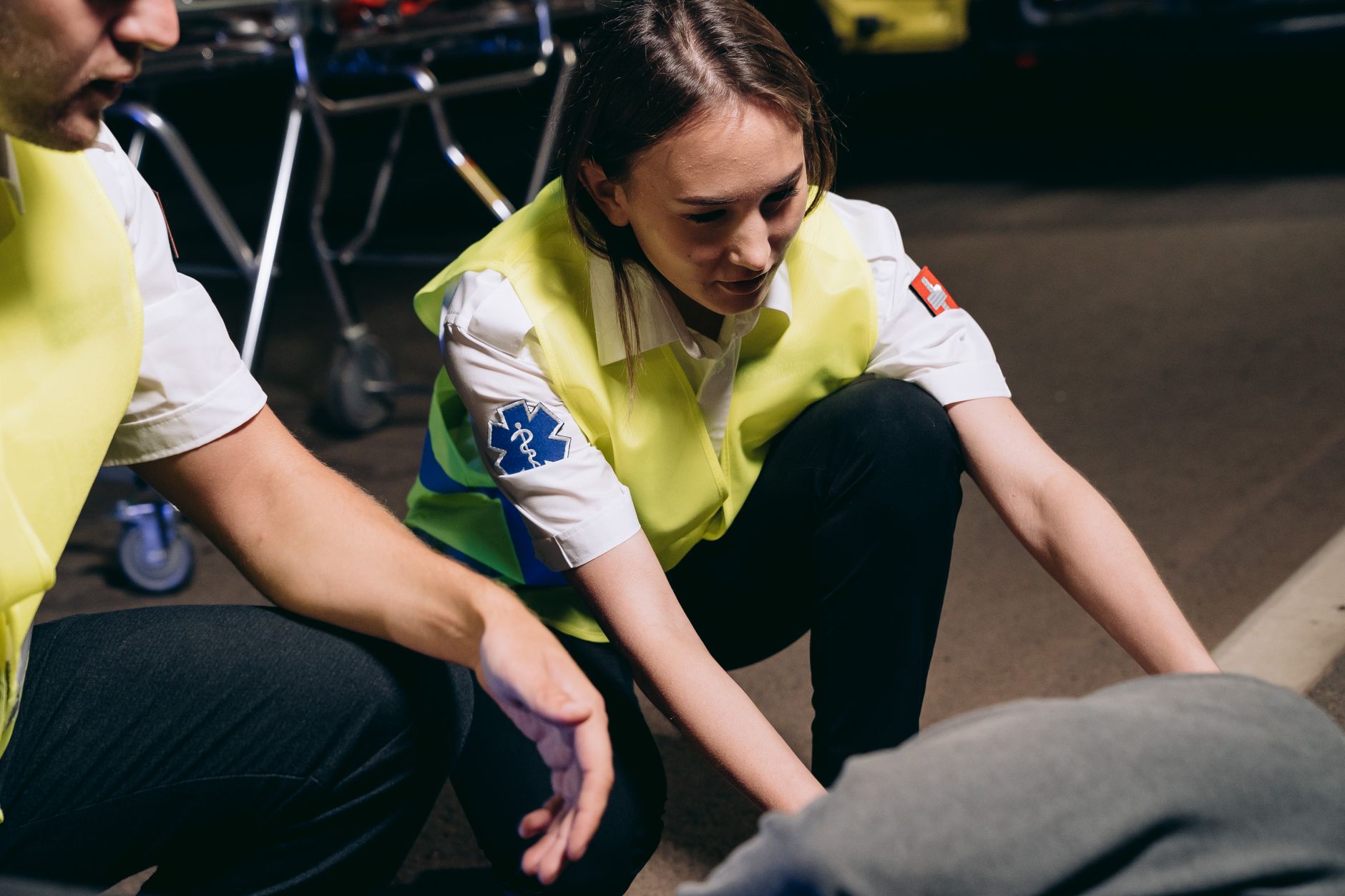
Everything stops in a vehicle collision. One minute you’re merging onto I-64 or driving down Kingshighway, and the next you’re sitting in a wrecked automobile trying to figure out what happened. It’s a real shock. The perplexity is genuine. Furthermore, most people don’t know how important the choices they make over the next few hours are while they’re still digesting what happened.
Every year, there are a lot of serious auto accidents in St. Louis. Due to the city’s combination of outdated infrastructure, busy streets, and erratic weather, collisions and injuries might occur. Knowing what to do after being harmed is not only beneficial but also the cornerstone of any significant rehabilitation, both legally and physically. Contact a skilled St. Louis car accident lawyer just after the accident.
Even if you feel fine, get medical attention first.
People miss this one the most frequently, and it causes them the greatest pain in the long run.
Adrenaline covers up pain. Whiplash, soft tissue damage, and even internal hemorrhage are examples of injuries that often don’t show symptoms right away. You may feel unsteady yet still able to function. That shifts the following morning or a few hours later. By then, insurance adjusters will be able to exploit the gap in your medical record caused by the delay in seeking care against you.
Visit urgent care or the ER on the same day. Be assessed. Record everything. Your injury claim is built around that documentation, and a missing or delayed entry leaves a gap in your case that will be challenging to close later.
How to Act If You Can at the Scene
A few minutes of documenting at the scene, if you are physically capable, can have a big impact later on.
Before anything moves, take pictures of the locations of the vehicles. Take pictures of the surrounding signage, traffic signals, any skid marks, the damage, and the state of the road. Obtain the other driver’s information, including their license plate and insurance information. Ask for contact details if witnesses were stopped.
Avoid assigning blame to anyone present at the scene. Don’t say sorry. Don’t conjecture on what transpired. Because Missouri’s fault-based system gives statements made at the scene significant weight in determining liability, what you say can be used in unexpected ways.
The Significance of Missouri’s Fault System for Your Claim
The fault system used in Missouri is purely comparative. This implies that even if you have a portion of the blame for the accident, you are still entitled to damages; however, the amount you receive is diminished by your share of fault. You would be compensated for 80% of your losses if you were 20% at fault.
Although this seems reasonable, insurance firms take heavy advantage of it. They search for anything that can be considered your involvement in the crash, and they use that information to lower their offer. Adjusters base their low offers on items like a recorded statement that sounds like an admission, a delay in seeking medical attention that implies your injuries weren’t serious, or a photo that depicts you in a negative light.
You can avoid losing money by navigating this system with the assistance of a St. Louis personal injury attorney who is familiar with how it is used in practice.
Avoid Settling Too Soon
When bills are piling up and the insurance company calls with a seemingly fair offer, this one might be challenging. Almost invariably, early settlements are insufficient. In the days or weeks right after a collision, it’s frequently difficult to determine the entire degree of your injuries. Even if your disease turns out to be more serious than first thought, accepting a settlement permanently closes the door on any further claims.
Injury victims in Missouri may file claims for future care needs, pain and suffering, lost wages, and medical costs. The difference between a reasonable recovery and an insufficient one is getting an accurate picture of those damages before settling.
How Roach Law Auto Accident Attorneys Handle These Cases
Kevin Roach launched the St. Louis, Missouri-based personal injury legal business Roach legal Car Accident Lawyers in 2003. With a primary concentration on auto, motorcycle, and truck accidents, they represent victims of accidents and injuries throughout Missouri. Because the firm is a boutique, low-volume practice, each case is handled directly by the attorney rather than being sent to younger employees or paralegals.
The fact that every accident is unique is reflected in their method. The conditions of a collision on I-270 differ from those in South St. Louis, and the variables that impact your case also change. They assess each case based on its particular facts, create a picture of total damages, and approach insurance companies with preparation rather than hope.
Questions: People Really Have
1. In Missouri, how long do I have to make a claim after a car accident?
Five years from the date of the accident is the statute of limitations for personal injury claims in Missouri. Waiting is still a mistake, even though this is longer than many states. Memories fade, witnesses become more elusive, and evidence deteriorates. A claim is typically stronger the sooner it is examined and developed.
2. What would happen if the other motorist was uninsured?
Drivers in Missouri must have uninsured motorist coverage, and accidents involving uninsured or underinsured drivers may be covered by your own policy. An essential first step is to review your own policies. All potential sources of coverage, including your own UM/UIM policy, can be identified with the assistance of an attorney.
3. Do I have to provide the other driver’s insurance company with a documented statement?
Don’t. You are not required to provide the other driver’s insurance with a documented statement. Insurance adjusters are taught to pose inquiries that are beneficial to the company’s viewpoint rather than your own. Refuse politely and refer them to your lawyer. The insurance company uses that channel for communication after you are represented.
4. In Missouri, how is pain and suffering measured?
A set formula does not exist. The type and severity of the damage, the length of recuperation, the possibility of permanent impairment, and the impact on relationships and day-to-day activities are all taken into account by Missouri juries and courts. These damages are genuine, and in situations involving major injuries, they can make up a sizable amount of the total settlement. This aspect of your claim is strengthened if you have proof of how the crash affected your life.
5. What if I contributed to the collision in some way?
Because of Missouri’s pure comparative fault system, your right to compensation is unaffected by partial blame. Even if you were a contributing factor in the crash, recovery is still feasible and your compensation is decreased proportionately. The crucial question is how blame is attributed, and this decision is frequently disputed. A more favorable blame allocation is usually the result of having an attorney who creates a detailed report of what transpired rather than handling that procedure on your own.