
Turn Your Classroom Ideas Into Reality with Educational Pricing for Screen Printing
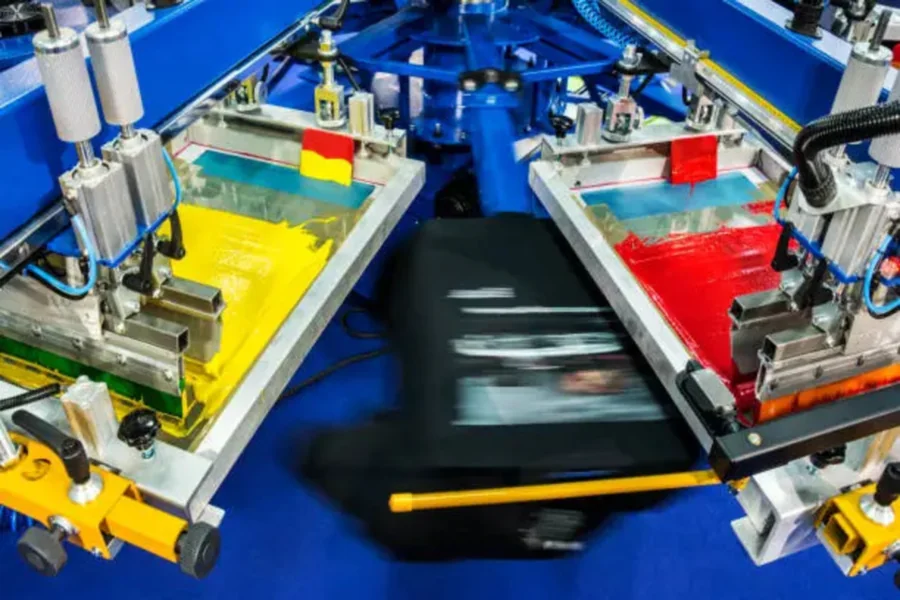
A classroom project can start with something as simple as a sketch on a piece of paper. A student creates a logo, an instructor introduces a new printing technique, or an art class decides to make its own shirts. The idea may be small, but hands-on projects like these can turn lessons into experiences students remember.
The challenge is often the budget. Schools, colleges, instructors, and students need reliable screen printing supplies, but classroom funds do not always stretch as far as creative ideas. That is where educational pricing can make a practical difference.
Making Screen Printing More Accessible for Students
Learning screen printing is about more than producing a finished shirt. Students get to explore design, color, preparation, printing, problem-solving, and production in one project.
Having access to suitable materials makes that process much easier. Instead of treating screen printing as something students only watch, educators can give them the opportunity to work through each stage themselves.
From choosing an image to preparing a screen and pulling ink across the mesh, every step offers a lesson. Mistakes become part of the learning process, too. A print that does not come out perfectly can help students understand pressure, registration, ink consistency, curing, and other important details.
That hands-on experience is one reason screen printing remains valuable in art, design, vocational, and creative programs.
What Educational Pricing Can Mean for Your Program
For schools and educators, purchasing supplies for an entire class can quickly become expensive. Ink, emulsion, chemistry, and film are recurring needs rather than one-time purchases.
The educational pricing program from Screen Print Direct is designed to help eligible teachers, schools, and students save on selected screen printing supplies. According to the program details, teachers and schools can receive 25% off their first qualifying order and 15% off future qualifying orders. Students in eligible programs can receive 15% off qualifying orders.
The program applies to selected categories, including ink, emulsion, chemistry, and film, while equipment and certain other products are excluded. Eligibility and discount requirements should be checked before placing an order.
For a teacher planning several projects throughout a semester, even modest savings can help free up money for additional materials or student activities.
Choosing the Right Screen Printing Supplies
Not every class needs the same materials. A beginner workshop may require a simple collection of screen printing basics, while an advanced design course may need more specialized products.
Start by thinking about what students will actually be printing.
For example, a basic classroom project might involve:
- Screen printing ink
- Screens and mesh
- Emulsion
- Squeegees
- Film for artwork
- Screen-cleaning supplies
- Practice garments
- Proper curing equipment
Planning the supply list around the lesson can prevent unnecessary purchases. It also gives students a chance to understand why different tools and materials are used.
Exploring Water-Based Printing
Ink selection is another useful lesson for students. water ink technology can introduce learners to a different approach to screen printing, particularly when a project calls for a soft print feel and fine image detail.
Water-based inks use water as their primary carrier and can produce a softer hand than traditional plastisol in suitable applications. However, they also require students to pay attention to screen management because the ink can dry in the mesh if it is left unattended for too long.
That makes water-based printing more than simply another product choice. It can become a practical lesson about timing, workflow, ink handling, and curing.
For example, Screen Print Direct Ecotex water-based inks are described as offering a soft hand feel, fine image detail, and compatibility with high mesh counts. Their product guidance also provides specific curing instructions, which can help instructors teach students the importance of following manufacturer recommendations.
Turn a Simple Project Into a Complete Lesson
The best classroom screen printing projects do not have to be complicated.
A teacher could ask students to design a small graphic, prepare the artwork, expose a screen, print it onto a shirt or fabric item, and evaluate the finished result. Each stage can connect to a different skill.
Students learn that good printing starts before the ink reaches the garment. Artwork preparation matters. Mesh selection matters. Ink choice matters. Registration matters. Curing matters.
This approach can also introduce students to real-world concepts such as custom apparel printing, production planning, quality control, and material costs.
A Practical Way to Plan Your Classroom Budget
Before ordering, make a simple list of what the class already has and what it needs. Then estimate how many students will participate and how many projects each student will complete.
It is also worth checking whether supplies can serve multiple lessons. A good screen printing ink collection, for example, may support several projects rather than just one assignment.
Educators should also review the current educational program requirements before applying. Screen Print Direct explains that applications are submitted for verification and that qualifying discounts are issued after eligibility is confirmed.
Give Students More Opportunities to Create
A strong creative classroom does not need the biggest budget. It needs thoughtful planning, useful materials, and opportunities for students to experiment.
Educational pricing can help make those opportunities easier to manage. Instead of limiting projects because supplies are expensive, educators can look for practical ways to stretch their classroom budget while still giving students meaningful hands-on experience.
With the right screen printing supplies, thoughtful project planning, and support from programs such as the one offered by Screen Print Direct, a simple classroom idea can become a complete creative experience. And for students, that experience can be the first step toward discovering a skill they continue using long after the class ends.