
How to Build Emotional Resilience in Tough Times
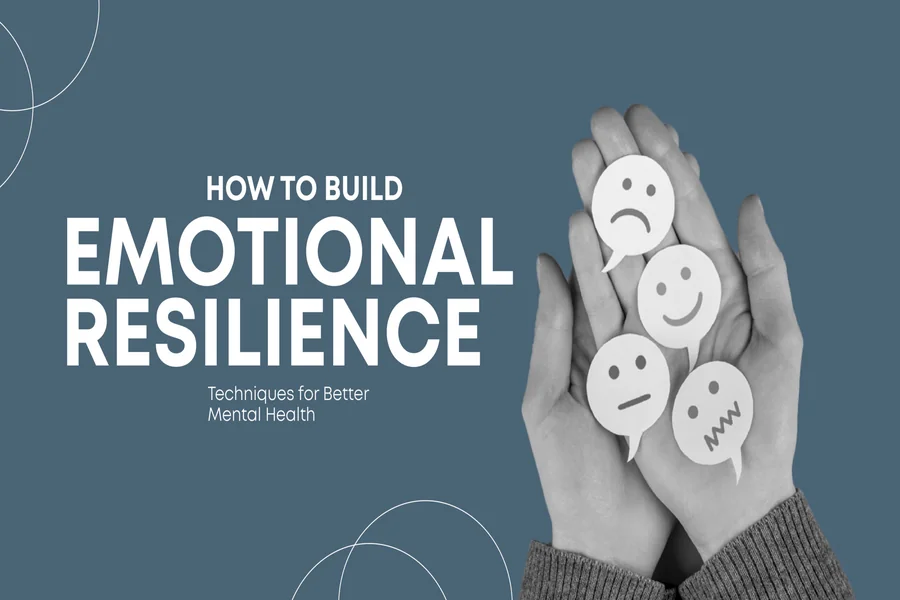
Life is unpredictable. Challenges such as job loss, illness, relationship struggles, financial stress, or personal setbacks can shake even the most confident individuals. While we cannot always control circumstances, we can influence how we respond to them. Emotional resilience—the ability to adapt, recover, and grow in the face of adversity—is not an inborn trait reserved for a few. It is a set of skills and habits that can be developed over time.
Building emotional resilience does not mean ignoring pain or pretending everything is fine. It means acknowledging difficulty while maintaining the capacity to move forward. In tough times, resilience becomes less about toughness and more about flexibility, awareness, and support.
Understanding Emotional Resilience
Emotional resilience is the ability to regulate emotions, maintain perspective, and continue functioning despite stress. It involves a balance between acceptance and action: accepting what cannot be changed and taking purposeful steps where change is possible.
Resilience is supported by several psychological factors:
- Emotional regulation
- Realistic optimism
- Problem-solving skills
- Strong social connections
- A sense of purpose
Importantly, resilience does not eliminate distress. Even resilient people feel sadness, anger, fear, or frustration. The difference is that these emotions do not completely derail their ability to cope.
1. Strengthen Emotional Awareness
The first step in building resilience is understanding your emotional responses. When stress hits, many people suppress feelings or react impulsively. Neither approach fosters long-term stability.
Instead, practice identifying and naming your emotions. Ask yourself:
- What am I feeling right now?
- What triggered this reaction?
- Where do I feel this in my body?
Research shows that labeling emotions reduces their intensity. When you name a feeling—“I feel anxious” or “I feel disappointed”—you engage the rational parts of your brain that help regulate stress.
Emotional awareness creates space between stimulus and response. In that space lies choice.
2. Reframe Your Perspective
Resilience often depends on how we interpret events. Two people can experience the same setback and respond differently based on their internal narratives.
Reframing does not mean denying reality. It means looking at the situation from a broader perspective. For example:
- Instead of “This always happens to me,” try “This is a difficult moment, not a permanent state.”
- Instead of “I failed,” try “This is feedback I can learn from.”
Cognitive flexibility—the ability to shift thinking patterns—is strongly linked to resilience. It allows you to view challenges as temporary and manageable rather than catastrophic and permanent.
Over time, practicing reframing rewires habitual thought patterns toward more balanced interpretations.
3. Build Healthy Coping Strategies
In tough times, coping mechanisms matter. Some strategies, like excessive alcohol use or emotional withdrawal, provide temporary relief but increase long-term stress.
Healthy coping strategies include:
- Regular physical activity
- Deep breathing or relaxation exercises
- Journaling
- Creative expression
- Structured problem-solving
Exercise, for example, reduces stress hormones and boosts mood-regulating chemicals like endorphins. Journaling helps organize thoughts and reduce rumination. Even short breathing exercises can calm the nervous system within minutes.
The key is consistency. Small daily practices strengthen resilience over time.
4. Focus on What You Can Control
Adversity often creates a sense of helplessness. One of the most empowering resilience strategies is identifying what remains within your control.
You may not control the external event, but you can control:
- Your daily routine
- Your effort
- Your response
- Your self-care habits
- Your willingness to seek support
Breaking large problems into manageable steps restores a sense of agency. Action—even small action—reduces feelings of paralysis.
A helpful question during stress is: “What is one constructive step I can take today?”
5. Maintain Strong Social Connections
Resilience is rarely built in isolation. Human beings are wired for connection. Supportive relationships act as emotional buffers during difficult times.
Talking openly with trusted friends or family reduces stress and provides perspective. Even knowing that someone understands your struggle can ease feelings of loneliness.
If immediate social support is limited, consider:
- Joining a support group
- Connecting with a community organization
- Seeking professional counseling
Resilient individuals are not those who never need help; they are those who are willing to ask for it.
6. Develop a Sense of Purpose
Purpose gives meaning to hardship. When challenges are connected to larger values or goals, they become more bearable.
Ask yourself:
- What matters most to me?
- What kind of person do I want to be during this time?
- What values can guide my decisions?
Purpose shifts focus from immediate discomfort to long-term growth. It fosters perseverance and hope.
Even small acts aligned with personal values—helping others, continuing education, maintaining integrity—reinforce resilience.
7. Practice Self-Compassion
During tough times, many people become their own harshest critics. Self-criticism intensifies stress and undermines resilience.
Self-compassion involves treating yourself with the same understanding you would offer a friend. Instead of saying, “I should be handling this better,” try, “This is hard, and it’s okay to struggle.”
Research shows that self-compassion reduces anxiety and depression while increasing emotional strength. It encourages learning from mistakes rather than being defined by them.
Resilience grows when kindness replaces shame.
8. Prioritize Physical Foundations
Emotional resilience is closely linked to physical well-being. Sleep, nutrition, and movement significantly influence mood and stress tolerance.
Sleep deprivation increases emotional reactivity. Poor nutrition affects energy levels and concentration. Physical inactivity reduces stress resilience.
Maintaining regular sleep patterns, balanced meals, and moderate exercise strengthens the body’s stress-response system. A stable physical foundation supports emotional stability.
9. Accept That Setbacks Are Part of Growth
Resilience does not mean constant forward progress. There will be setbacks, moments of doubt, and days when motivation is low.
Accepting this reality prevents discouragement. Growth is rarely linear. Each setback offers insight into strengths and areas for improvement.
Viewing obstacles as part of the process rather than evidence of failure fosters persistence.
10. Cultivate Hope Through Action
Hope is not passive wishful thinking. It is built through action and problem-solving. Setting small, achievable goals creates momentum.
For example:
- Update your resume if facing job uncertainty.
- Schedule a medical appointment if health is a concern.
- Establish a daily routine during chaotic periods.
Progress, even in small increments, reinforces belief in your ability to influence outcomes.
The Long-Term Nature of Resilience
Building emotional resilience is an ongoing process. It develops through repeated exposure to manageable challenges and consistent coping efforts. Each time you navigate difficulty, you strengthen neural pathways associated with emotional regulation and problem-solving.
Resilience is not about eliminating stress from life. It is about increasing your capacity to face it.
Tough times reveal strengths you may not know you possess. They test patience, flexibility, and courage. While hardship is uncomfortable, it often becomes the foundation for growth, empathy, and deeper self-understanding.
Ultimately, emotional resilience is the ability to bend without breaking. It is the quiet determination to keep moving, the wisdom to rest when needed, and the courage to seek support. In cultivating these qualities, you not only survive tough times—you emerge from them stronger, wiser, and more grounded than before.