The Art of Light and Pose in Boudoir Photography
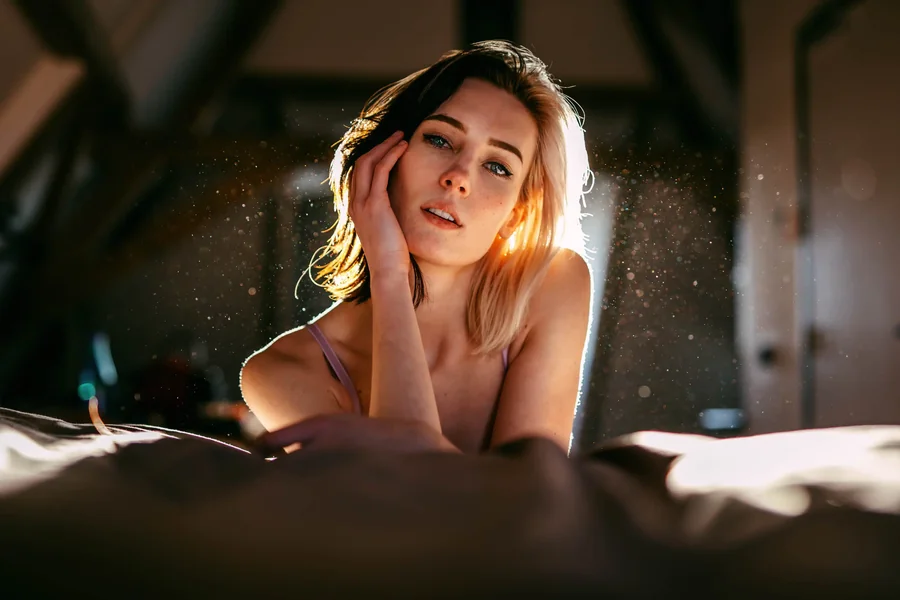
Boudoir photography works best when it feels effortless, but the strongest images are rarely accidental. Behind every soft shadow, flattering angle, and confident expression, there is a careful balance of lighting and posing. In a modern boudoir studio, these two elements work together to shape the mood, highlight the client’s natural beauty, and create images that feel intimate without feeling forced.
Why Lighting Changes Everything
Lighting is one of the first things people notice in a boudoir image, even if they do not realize it. It controls the mood before the viewer ever focuses on the outfit, backdrop, or pose.
Soft, diffused lighting often creates a romantic and gentle look. It smooths harsh lines, adds warmth to the skin, and gives the final gallery a calm, polished feeling. This kind of lighting is popular because it feels flattering without making the image look overly edited.
More dramatic lighting creates a different effect. A stronger side light can carve out shape, define curves, and add mystery. Shadows can make an image feel cinematic, confident, and bold. This is where boudoir photography becomes less about simply taking a pretty picture and more about creating an emotional experience.
The right lighting choice depends on the client, the outfit, the room, and the story the photographer wants the image to tell. A bright, airy setup may feel playful and relaxed. A low-light setup may feel powerful, private, and intense. Neither is better than the other. They simply create different results.
The Role of Shadows in Flattering the Body
Shadows are not something to avoid in boudoir photography. Used well, they are one of the most flattering tools a photographer has.
A shadow can gently define the waist, lengthen the legs, or create more dimension across the body. Without shadows, the image can look flat. With too many harsh shadows, the photo can become distracting. The goal is balance.
This is why experienced photographers pay attention to where the light falls and where it fades. A small adjustment in body angle can completely change the way light shapes the client. Turning the shoulder slightly, shifting the hip, or moving the chin can make the difference between a nice image and a stunning one.
Good shadows also help preserve the intimate tone of boudoir. They allow certain details to be suggested rather than fully shown, which often makes the image feel more elegant. The viewer is drawn into the shape, mood, and expression rather than distracted by every small detail.
Posing Is About Direction, Not Perfection
Many clients walk into a session worried that they do not know how to pose. That is completely normal. Most people are not used to being photographed this way, and boudoir can feel vulnerable at first.
A strong photographer does not expect the client to know what to do. Instead, they guide every movement. They may direct the client to arch slightly, relax the hands, point the toes, soften the mouth, or look down instead of directly into the camera. These small adjustments can make a huge difference.
The best posing does not look stiff. It feels natural, even when it is carefully directed. A good pose supports the body instead of fighting against it. It works with the client’s shape, comfort level, and personality.
Some poses create softness. Others create strength. Some feel playful, while others feel quiet and emotional. The photographer’s job is to read the client and build poses that bring out the right energy.
How Lighting and Posing Work Together
Lighting and posing are strongest when they are planned together. A pose that looks beautiful in one lighting setup may not work as well in another.
For example, if the light is coming from the side, the photographer may pose the client in a way that lets the light skim across the body. This can highlight curves and create a sculpted look. If the light is coming from the front, the pose may focus more on expression, softness, and symmetry.
This is also why tiny changes matter so much. Moving an arm, turning the face, lowering the shoulder, or shifting weight into one hip can change how the light lands. A photographer may ask for very small movements because they are watching how the image changes in real time.
When lighting and posing are aligned, the final result looks intentional. The client does not look placed in front of a camera. They look present, confident, and beautifully composed.
Creating Confidence Through Subtle Adjustments
Boudoir photography is deeply connected to confidence, but confidence does not always appear instantly. Sometimes it builds slowly throughout the session.
Lighting and posing help create that shift. When a client sees that their photographer knows how to guide them, they usually begin to relax. Their shoulders drop. Their expression softens. Their movement becomes easier.
This is why choosing a luxury boudoir package in Reno should feel less like booking a quick photoshoot and more like stepping into a guided, confidence-building experience. The best sessions give clients room to breathe, ease into the process, and trust the photographer’s direction. When there is time to settle in and feel comfortable, posing starts to feel less intimidating and more natural, which often leads to images that feel both polished and deeply personal.
Small posing cues can be incredibly empowering. A lifted chin can create authority. Relaxed hands can make an image feel elegant. A deep breath before the shutter clicks can soften the entire face. These details may seem minor, but they often shape the emotional quality of the photograph.
The Camera Angle Matters Too
Lighting and posing are major parts of boudoir photography, but camera angle completes the triangle. The same pose can look completely different depending on where the photographer stands.
A lower angle can add strength and length. A slightly higher angle can create softness and intimacy. Shooting from the side can emphasize silhouette and shape, while shooting straight on can make the image feel direct and powerful.
Camera angle also affects how the body is perceived. Professional boudoir photographers understand how to use angles in a flattering way without distorting the client. The goal is not to make someone look unlike themselves. The goal is to photograph them in a way that feels elevated, polished, and true.
This is where experience shows. A skilled photographer knows when to move the camera, when to move the client, and when to change the light instead.
Mood Comes From More Than the Outfit
Outfits are fun, and they definitely play a role in boudoir photography. Still, the mood of the image comes from much more than lingerie, robes, sheets, or accessories.
Lighting sets the emotional tone. Posing gives the body language. Expression brings the image to life. When all three are working together, the outfit becomes part of the story instead of the whole focus.
A simple white shirt can feel sensual with soft window light and relaxed posing. A black bodysuit can feel bold with deeper shadows and stronger angles. A sheet can feel elegant, playful, romantic, or dramatic depending on how the photographer uses the light and guides the body.
This is why two clients can wear similar outfits and still end up with completely different galleries. The result is shaped by personality, direction, light, movement, and trust.
Why Professional Guidance Makes the Difference
Boudoir photography is personal, and most clients want to feel both beautiful and safe during the process. Professional guidance makes that possible.
A skilled photographer is not just pressing a button. They are watching posture, light, hands, facial tension, hair placement, fabric movement, and emotional comfort all at once. They are also creating a space where the client can relax enough to be seen.
That kind of guidance is what turns nervous energy into confidence. It helps the client stop worrying about whether they are doing it right and start enjoying the experience.
Lighting and posing are technical skills, but they are also forms of care. When done well, they show the client what has been there all along: beauty, personality, strength, softness, and presence.
Beautiful Results Start with Intention
The best boudoir photos are not defined by one pose or one lighting setup. They are created through intention. Every shadow, angle, expression, and movement plays a part in the final result.
Lighting shapes the mood. Posing shapes the body language. Together, they create images that feel flattering, emotional, and real. That is what makes boudoir photography so powerful. It is not about trying to become someone else for the camera. It is about being guided into a version of yourself that feels confident, beautiful, and completely worth remembering. For more inspiring lifestyle and self-improvement content, visit marathimoral.com.